The Marriages of the Tudor Dynasty: Dates and Durations
The Tudor dynasty, which ruled England from 1485 to 1603, was shaped as much by political strategy as by the personal unions that secured alliances, produced heirs, and occasionally threatened the stability of the realm. Marriage functioned as a central instrument of diplomacy and succession planning. The lengths of these unions varied widely, from a few months to nearly a quarter of a century. This article surveys the principal marriages linked to the dynasty in chronological order, recording the best attested dates and the approximate duration of each.
Henry VII and Elizabeth of York
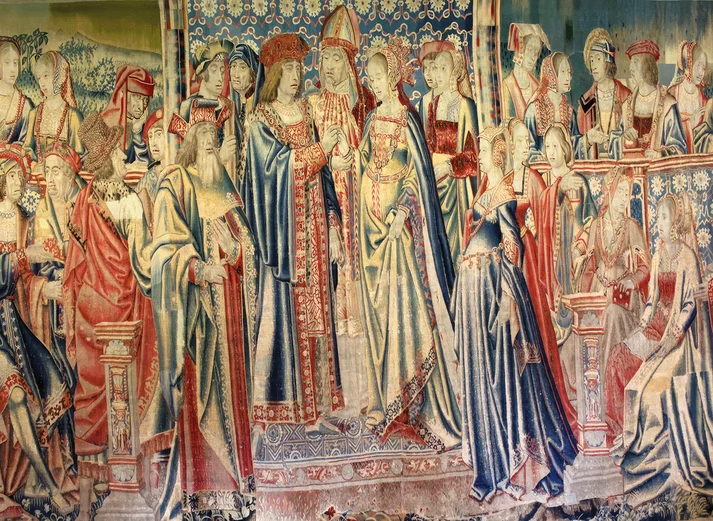
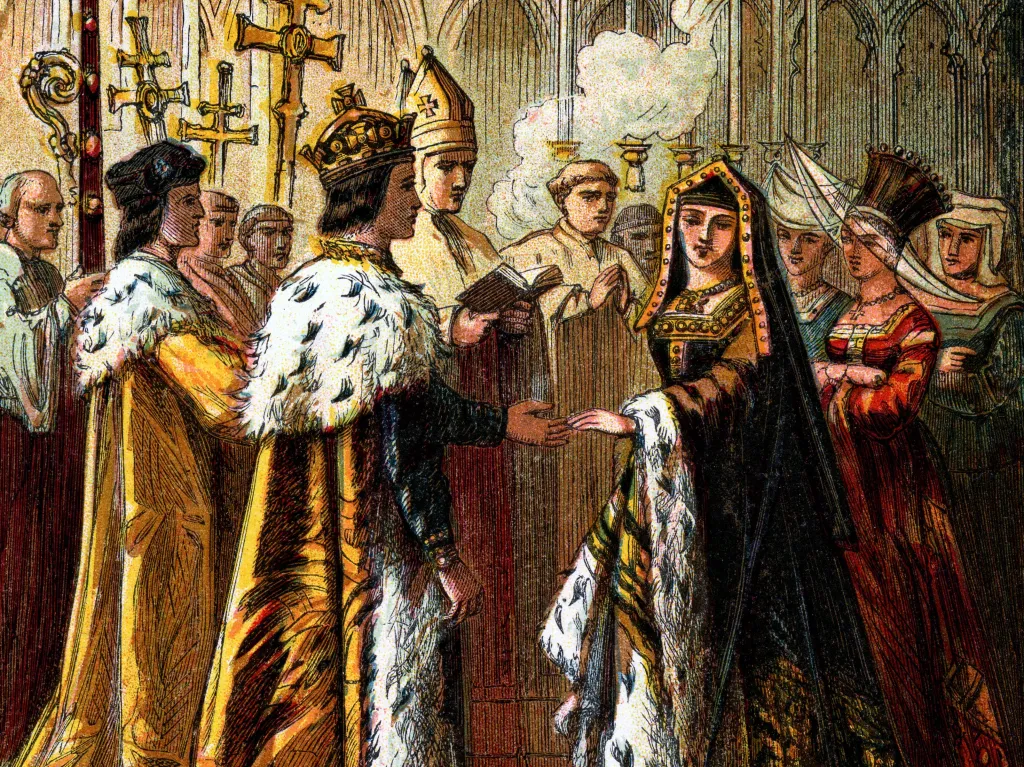
The foundation of the Tudor dynasty rested on the marriage of Henry VII and Elizabeth of York. They were wed on 18 January 1486 in Westminster Abbey. Elizabeth died on 11 February 1503 shortly after giving birth to a daughter. Their marriage lasted approximately seventeen years and one month. This union symbolically reconciled the houses of Lancaster and York and produced the next generation of Tudors, including the future Henry VIII, Margaret Tudor, and Mary Tudor. It remains one of the most politically successful marriages of the period.
Arthur, Prince of Wales, and Catherine of Aragon
Their eldest son, Arthur, Prince of Wales, married Catherine of Aragon on 14 November 1501 in St Paul’s Cathedral. Arthur died on 2 April 1502 at Ludlow Castle. The marriage endured only about four and a half months. The question of whether the union was consummated later became central to Henry VIII’s campaign to end his own marriage to Catherine and remains one of the most debated points in Tudor history.
Margaret Tudor and Her Three Husbands
Margaret Tudor, elder daughter of Henry VII, contracted three marriages. Her first was to James IV of Scotland on 8 August 1503 at Holyrood Abbey. James died at the Battle of Flodden on 9 September 1513. That marriage lasted roughly ten years and one month and produced the future James V of Scotland. After a period of widowhood, Margaret married Archibald Douglas, sixth Earl of Angus, around 6 August 1514. The relationship deteriorated rapidly and was formally dissolved by about 1527 or 1528, giving it a duration of approximately thirteen years. Her third marriage, to Henry Stewart, first Lord Methven, took place on 3 March 1528 and continued until Margaret’s death on 18 October 1541, a period of about thirteen years and seven months. These successive unions illustrate both the diplomatic value of Margaret’s position and the personal turbulence that marked much of her adult life.
Mary Tudor (Sister of Henry VIII) and Her Two Husbands
Mary Tudor, the younger sister of Henry VIII, also married twice. Her first husband was Louis XII of France. The wedding took place on 9 October 1514 at Abbeville. Louis died on 1 January 1515. The marriage lasted only about two months and three weeks. Shortly afterward she secretly married Charles Brandon, Duke of Suffolk, in March 1515, with a public ceremony following in May. Mary died on 25 June 1533. That second marriage lasted approximately eighteen years and three months and produced several children, including Frances Brandon, mother of Lady Jane Grey. The contrast between the brief French marriage and the long English one highlights the different political purposes each served.
Henry VIII and Catherine of Aragon
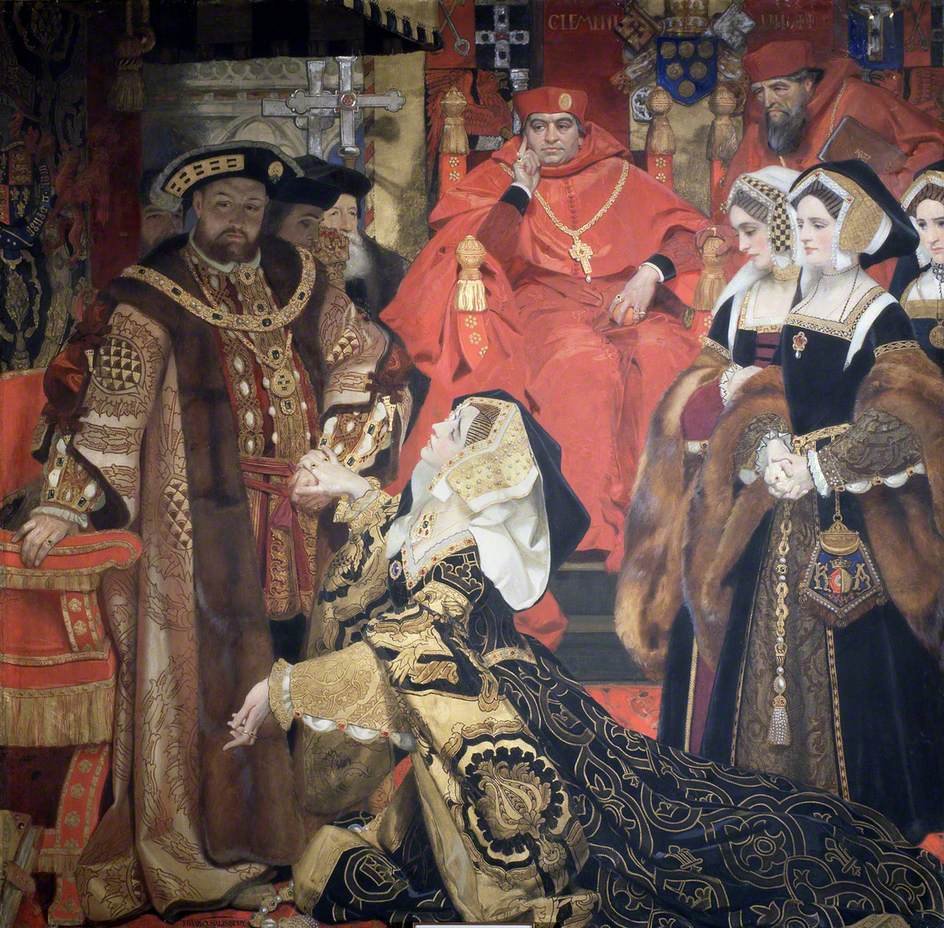
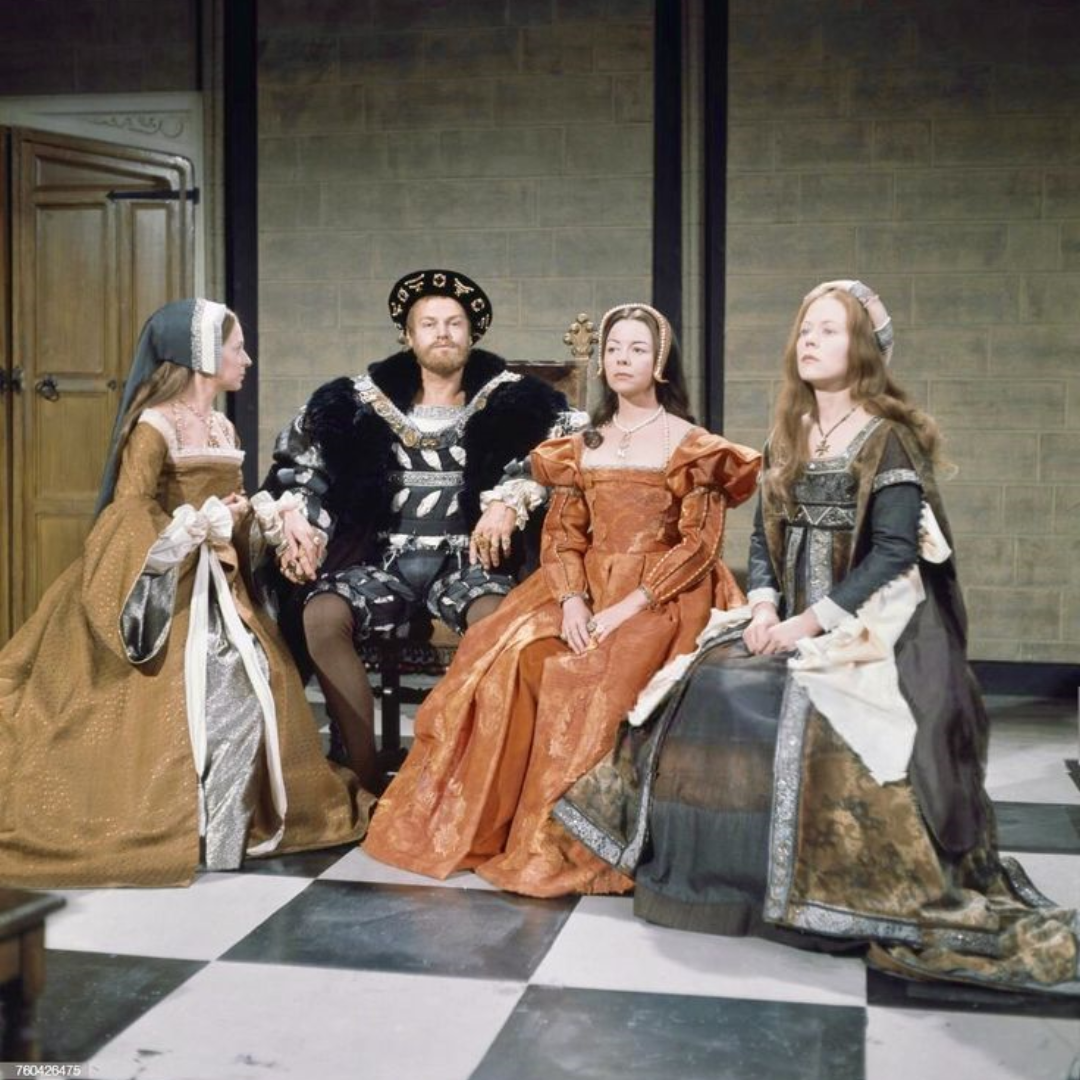
Henry VIII’s six marriages form the best known sequence in English history. He married Catherine of Aragon on 11 June 1509 in a private ceremony at Greenwich. The marriage was declared null and void by Archbishop Cranmer on 23 May 1533. It had lasted nearly twenty three years and eleven months, the longest of Henry’s unions and the only one that produced a surviving child who later became queen, Mary I. For more than two decades this marriage defined the early Tudor court and the diplomatic relationship with Spain.
Henry VIII and Anne Boleyn
Henry’s second marriage, to Anne Boleyn, was solemnized privately around 25 January 1533. Anne was executed on 19 May 1536. The marriage therefore lasted approximately three years and four months. It produced Elizabeth, the future Elizabeth I, but no surviving son. The brevity of the union and its violent end marked a decisive break with the medieval past and accelerated the English Reformation.
Henry VIII and Jane Seymour
Eleven days after Anne’s death, Henry married Jane Seymour on 30 May 1536. Jane died on 24 October 1537, twelve days after giving birth to the future Edward VI. Their marriage lasted about one year and five months. Henry regarded Jane as his true wife and later chose to be buried beside her at Windsor.
Henry VIII and Anne of Cleves
The fourth marriage, to Anne of Cleves, took place on 6 January 1540. It was annulled on 9 July 1540. The union lasted roughly six months, the shortest of Henry’s six. Anne received a generous settlement and outlived the king, remaining in England with the honorary title of the king’s beloved sister.
Henry VIII and Catherine Howard
Henry’s fifth marriage was to Catherine Howard on 28 July 1540, the same day Thomas Cromwell was executed. Catherine was executed on 13 February 1542. The marriage lasted approximately one year and six and a half months. Her fall, like that of Anne Boleyn, was driven by accusations of sexual misconduct both before and during the marriage.
Henry VIII and Catherine Parr
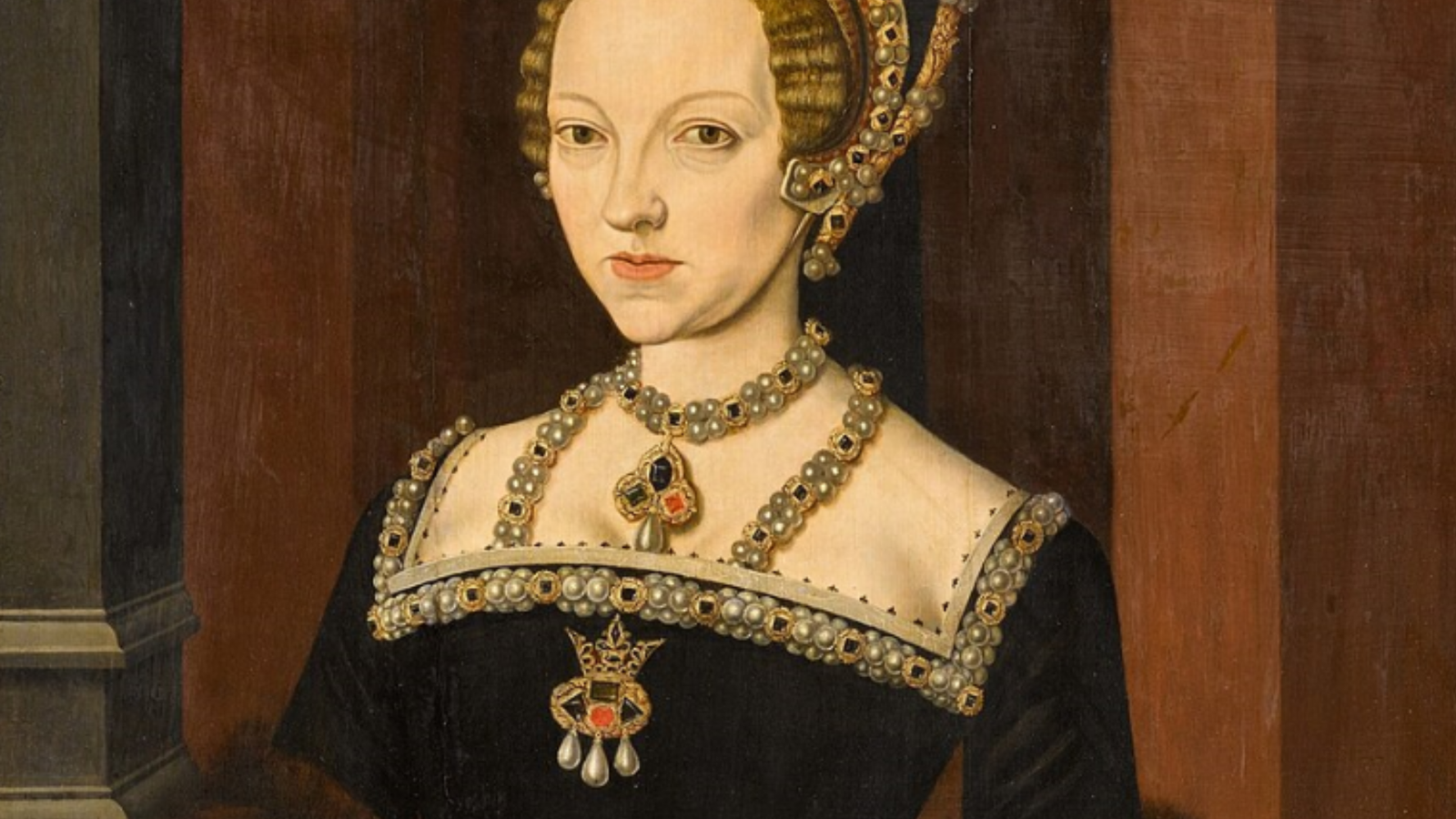
The final marriage of Henry VIII was to Catherine Parr on 12 July 1543. It ended with the king’s death on 28 January 1547. The union lasted about three years and six and a half months. Catherine served as regent during Henry’s last French campaign and later married Thomas Seymour after the king’s death. She was the only one of Henry’s wives to outlive him by a significant margin and to remarry.
Mary I and Philip of Spain
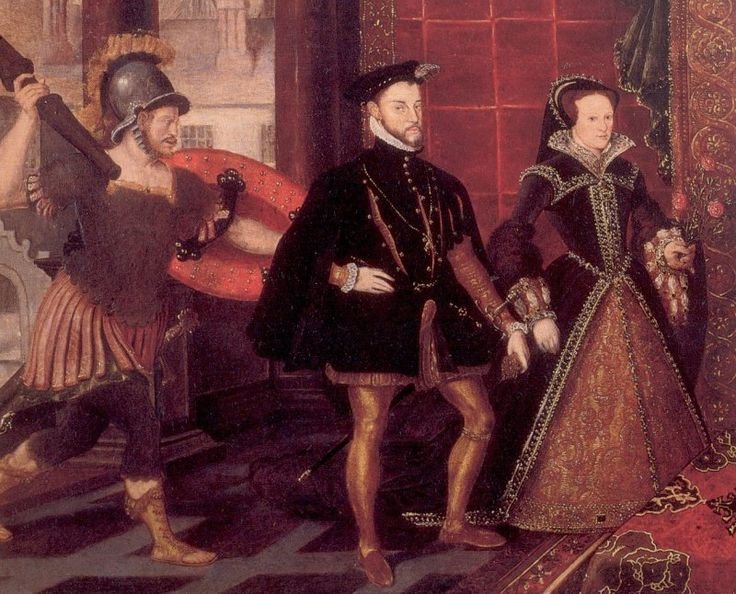
The last major Tudor marriage of political consequence was that of Mary I to Philip of Spain. They were formally betrothed by proxy on 6 March 1554 and married in person on 25 July 1554 in Winchester Cathedral. Mary died on 17 November 1558. The marriage lasted approximately four years and three and a half months. Philip was recognized as king consort under carefully limited terms that preserved English autonomy. No children resulted from the union, and upon Mary’s death Philip’s rights in England ceased entirely.
Taken together, these marriages illustrate the wide range of outcomes possible within the Tudor system. Some unions, such as that of Henry VII and Elizabeth of York or Mary Tudor and Charles Brandon, endured for nearly two decades and produced surviving issue. Others, including the marriages of Arthur and Catherine of Aragon, Mary Tudor and Louis XII, and Henry VIII and Anne of Cleves, lasted only a few months. Political calculation frequently outweighed personal inclination. Alliances with Spain, Scotland, and France were sought through these matches, yet the repeated failure to produce healthy male heirs in several cases generated successive crises of succession that shaped the course of English history.
The longest continuous marital partnership among the principal figures was that of Henry VIII and Catherine of Aragon, spanning almost twenty four years. The shortest among the royal marriages examined here was that of Mary Tudor and Louis XII, measured in weeks rather than years. Between these extremes lay a series of unions that lasted between one and thirteen years, each shaped by the pressures of dynastic necessity, religious change, and personal misfortune.
By the end of the Tudor period the pattern of royal marriage had begun to shift. Elizabeth I famously never married, preferring to use the prospect of marriage as a diplomatic tool rather than to enter into a binding union. The earlier marriages surveyed above therefore represent the high point of the dynasty’s reliance on matrimonial alliances. Their varying lengths, recorded here with the best available dates, provide a clear chronological framework for understanding how personal unions both strengthened and endangered the Tudor claim to the English throne.
Table of Marriage Durations (Longest to Shortest)
| Rank | Couple | Approximate Duration |
|---|---|---|
| 1 | Henry VIII and Catherine of Aragon | 23 years 11 months |
| 2 | Mary Tudor and Charles Brandon | 18 years 3 months |
| 3 | Henry VII and Elizabeth of York | 17 years 1 month |
| 4 | Margaret Tudor and Henry Stewart | 13 years 7 months |
| 5 | Margaret Tudor and Archibald Douglas | 13 years |
| 6 | Margaret Tudor and James IV | 10 years 1 month |
| 7 | Mary I and Philip of Spain | 4 years 3.5 months |
| 8 | Henry VIII and Catherine Parr | 3 years 6.5 months |
| 9 | Henry VIII and Anne Boleyn | 3 years 4 months |
| 10 | Henry VIII and Catherine Howard | 1 year 6.5 months |
| 11 | Henry VIII and Jane Seymour | 1 year 5 months |
| 12 | Henry VIII and Anne of Cleves | 6 months |
| 13 | Arthur and Catherine of Aragon | 4.5 months |
| 14 | Mary Tudor and Louis XII | 2.5 months |
Read also: The Boys Born in the Tower of London: The Lost Heirs of Elizabeth I – VERITAS TEMPORIS FILIA