The Byrth of Mankynde: The First English Treatise on Obstetrics and Its Dedication to Katherine Howard
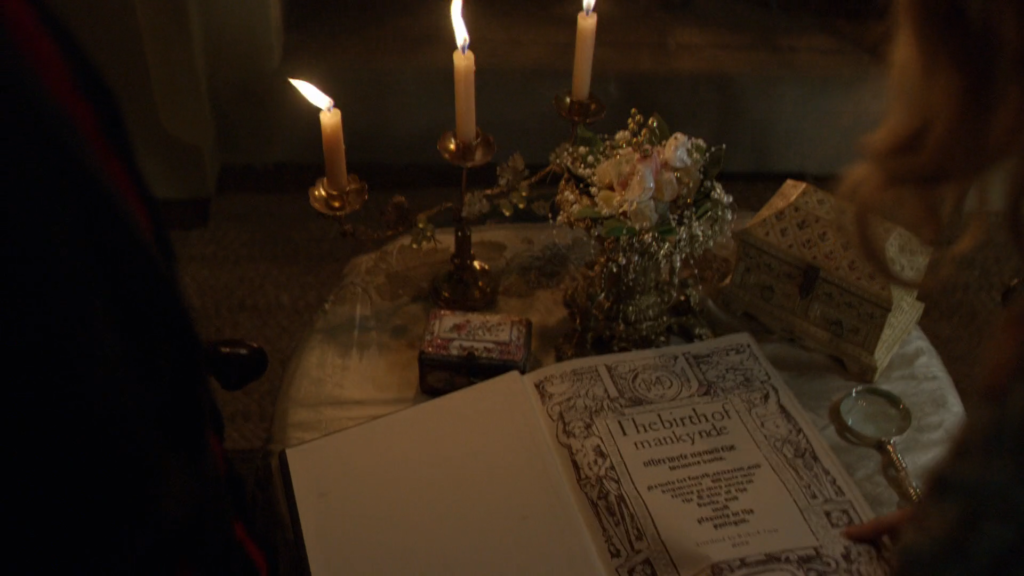
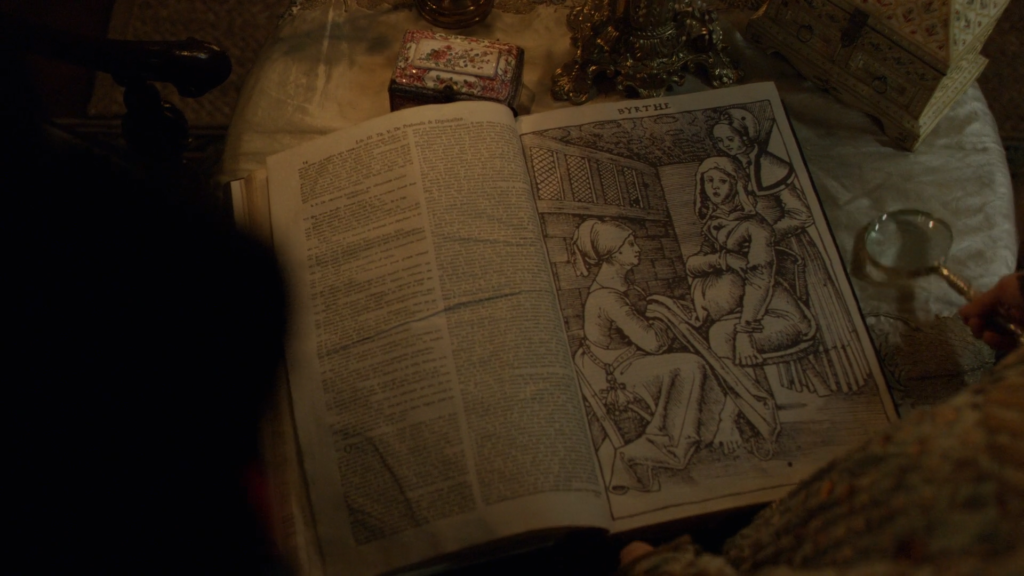
Published in 1540, “The Byrth of Mankynde” (also known as The Woman’s Book) marks a milestone in the history of English medicine. It was the first book printed in English devoted exclusively to obstetrics and the care of childbirth, translated by Richard Jonas from the Latin version De Partu Hominis, which was itself derived from Eucharius Rösslin’s 1513 German work Der schwangeren Frauen und Hebammen Rosengarten (“The Rose Garden of Pregnant Women and Midwives”).
In her biography Katherine Howard: The Tragic Story of Henry VIII’s Fifth Queen, Josephine Wilkinson places the work in the context of Henry VIII’s court shortly after the death of Jane Seymour. The author explains:
“Following the untimely death of Queen Jane Seymour from complications following the birth of Prince Edward, concerned midwives and physicians looked for any new books that could provide them with up-to-date information on childbirth and its dangers to the mother and the child. Several years previously, Eucharius Rösslin’s De Partu Hominis was published in Germany, with subsequent editions appearing periodically in various other European countries. In 1540 it was translated into English by Richard Jonas as The Byrth of Mankynde.”
Wilkinson also highlights the change of dedication, a detail that reveals the rapid marital upheavals of the king:
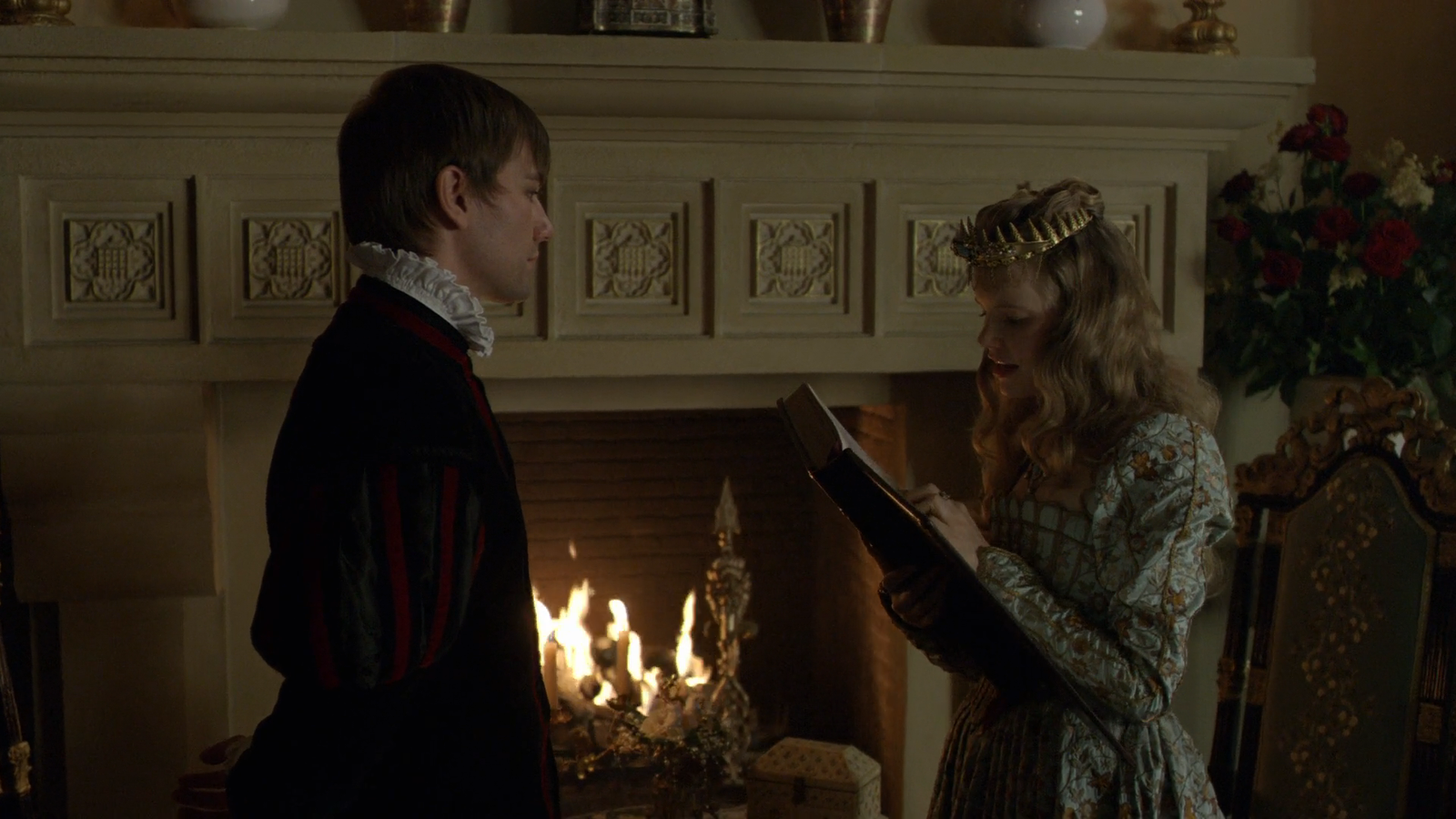
“Although originally intended to be dedicated to Anne of Cleves, the first edition is inscribed ‘Unto the most gracious and in all goodness most excellent virtuous Lady Queen Katherine wife and most dearly beloved spouse unto the most mighty sapient Christen prince King Henry the VIII. Richard Jonas wisheth perpetual joy and felicity.’”
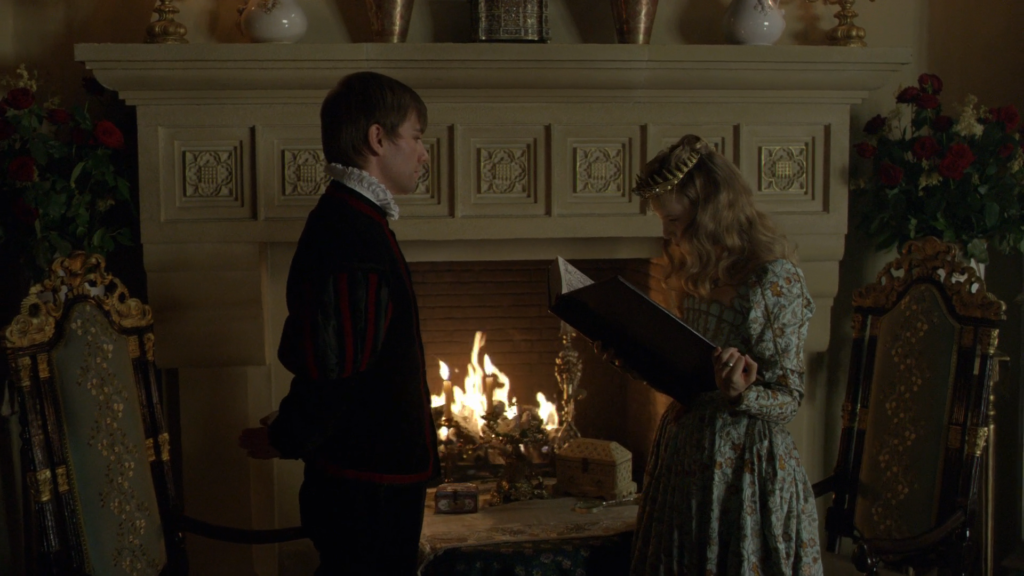
In the notes to the biography, the author reinforces the point: the 1540 edition contained an expanded discussion of fertility remedies and, by the time the book was ready, Anne of Cleves had already been replaced by Katherine Howard.
According to Wilkinson, the volume covered “all matters concerning pregnancy and birth, from menstruation, fertility and conception to labour and the health of the new mother and her new-born infant, by way of humoral theory and anatomy.” It was therefore “a highly appropriate book to dedicate to the young Queen Katherine, whose principal job it was to add to the royal nursery.”
Rösslin’s work, originally aimed at midwives, introduced important innovations for its time: illustrations of the positions of the foetus in the womb, the birthing chair, and the lying-in chamber. Jonas’s English version (and the later editions revised by Thomas Raynalde from 1545 onwards) popularised this knowledge in the vernacular, making it accessible beyond the narrow circle of Latin-reading physicians. For more than a century (until the mid-seventeenth century) the book went through several editions and became a fundamental reference on sex, fertility, pregnancy, and infant care.
The dedication to Katherine Howard, then newly married and still an adolescent, carried both symbolic and practical weight. In a reign marked by Henry VIII’s dynastic obsession with a secure male heir, the treatise served both as a welcome gift to the new queen and as a medical guide. By praising the “virtuous Lady Queen Katherine,” Jonas placed in the hands of the young sovereign a manual intended to help ensure the continuity of the Tudor line—the very mission the court expected of her.
Thus The Byrth of Mankynde concretely illustrates how the tragic death of Jane Seymour and the rapid succession of queens influenced even the production and circulation of medical knowledge in Tudor England. More than a simple midwifery manual, the book became a historical document that reflects the anxieties, hopes, and political pressures surrounding the royal female body in the sixteenth century.
Reference
Josephine Wilkinson, Katherine Howard: The Tragic Story of Henry VIII’s Fifth Queen (London: John Murray, 2016).
Read also: Birthplaces and Final Resting Places of the Tudor Queens – VERITAS TEMPORIS FILIA