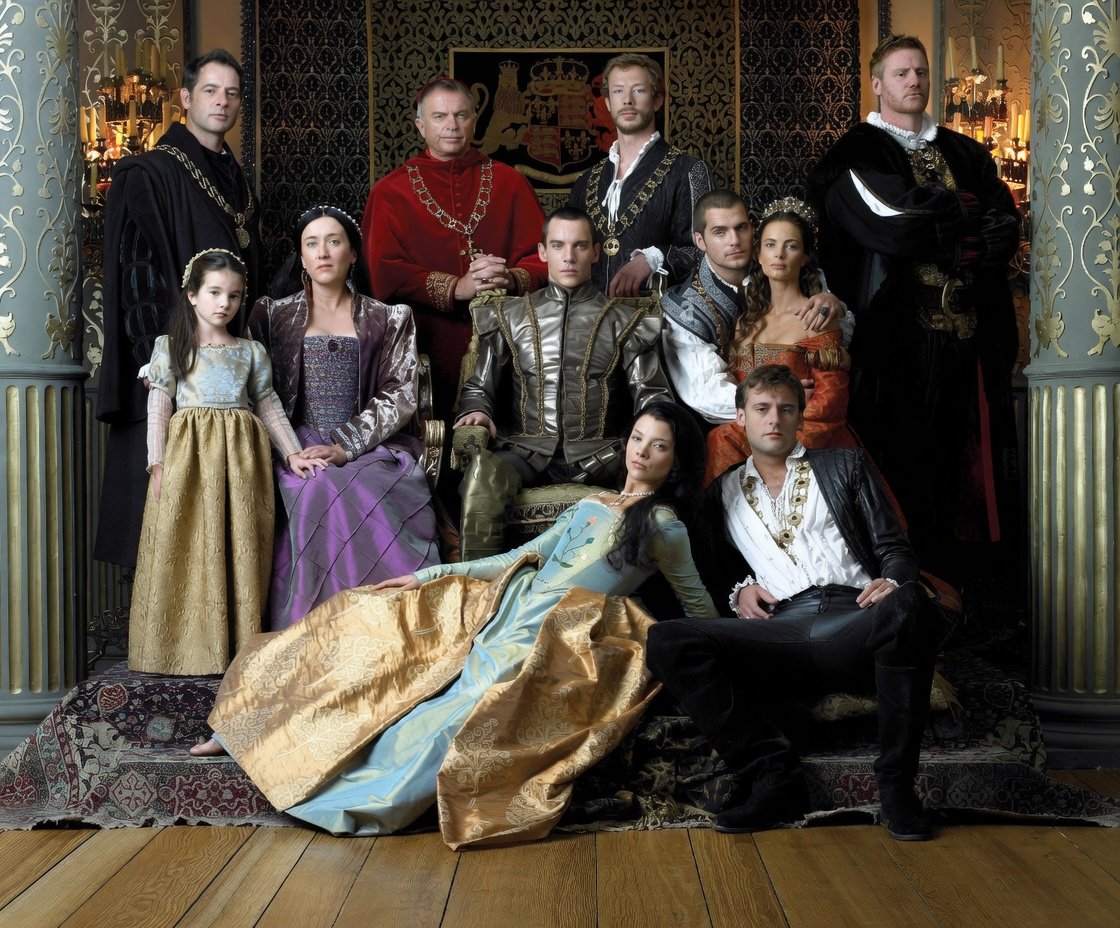
When the monarchs of sixteenth century England travelled through their realm, they rarely travelled light. A Tudor royal progress was an awe inspiring, costly, and often disruptive spectacle of statecraft. Kings and queens moved across the countryside with hundreds of courtiers, dozens of wagons loaded with royal wardrobes, plate, tapestries, and bedchambers, accompanied by swarms of royal officers, guards, and servants. While these grand tours allowed the sovereign to display power, project majesty, and forge ties with noble hosts, they also placed an immense economic burden on the local populations living along the route.
Amid this tradition of loud, ostentatious royal display, one sovereign occasionally preferred a strikingly different approach. During her brief and troubled reign from 1553 to 1558, Queen Mary I chose a far quieter path whenever she sought relief from the pressures of statecraft. Rather than embarking on long, expensive progresses across distant counties, Mary frequently chose to stay near the capital, travelling to Croydon in Surrey to stay at the manor house of her kinsman, Cardinal Reginald Pole, the Archbishop of Canterbury.
Mary’s visits to Croydon were marked by a rare and deliberate consideration for her ordinary subjects. She intentionally avoided travelling during the seasons of the hay and corn harvests, knowing that local farmers needed their horses, carts, and personal labor for their own survival. Forced royal requisitions during harvest time could ruin a smallholder’s year. Yet, beyond merely avoiding disruption, Mary utilized her time at Croydon to engage in an extraordinary practice: stepping out in disguise with a few trusted attendants to visit the homes of her poorest subjects.
The Burden of Royal Purveyance in Tudor England
To understand the impact of Mary’s actions in Croydon, one must understand the ancient and deeply hated crown privilege known as purveyance. Under English customary law, the royal household held the right to requisition food, supplies, horses, and carts for the monarch’s travel and maintenance, theoretically at fixed, official rates.
In practice, purveyance was rife with corruption and abuse. Royal purveyors and court officers frequently seized livestock, grain, and transport carts from peasants, labourers, and small merchants without paying the promised compensation. Poor workers were often left with nothing more than worthless tallies or vague promises of future payment from crown officials who had no intention of ever settling the debt. If a poor man complained or demanded his wages, he was routinely met with harsh words, threats, or physical violence from the purveyors.
For a peasant or a town worker, having a cart pressed into service for royal carriages could mean the loss of several days’ wages, or worse, the destruction of their livelihood. Horses were overdriven, carts were damaged, and the promised daily rates rarely trickled down to the men who performed the actual labor.
It was precisely this systemic injustice that Queen Mary sought to uncover during her quiet afternoons in Surrey.
In Disguise at Croydon: The Queen and Jane Dormer

When Mary stayed at Cardinal Pole’s house in Croydon, she frequently set aside the formal etiquette of the Tudor court. Seeking recreation and spiritual exercise, she would gather two or three of her most trusted female companions and slip out into the surrounding town and countryside.
To ensure that her visits were unscripted and genuine, the women dressed in plain, simple attire. They intentionally dressed as ordinary court maidens so that no one in the cottages could distinguish the Queen of England from her waiting women. Mary insisted that on these outings there should be no visible difference between sovereign and subject.
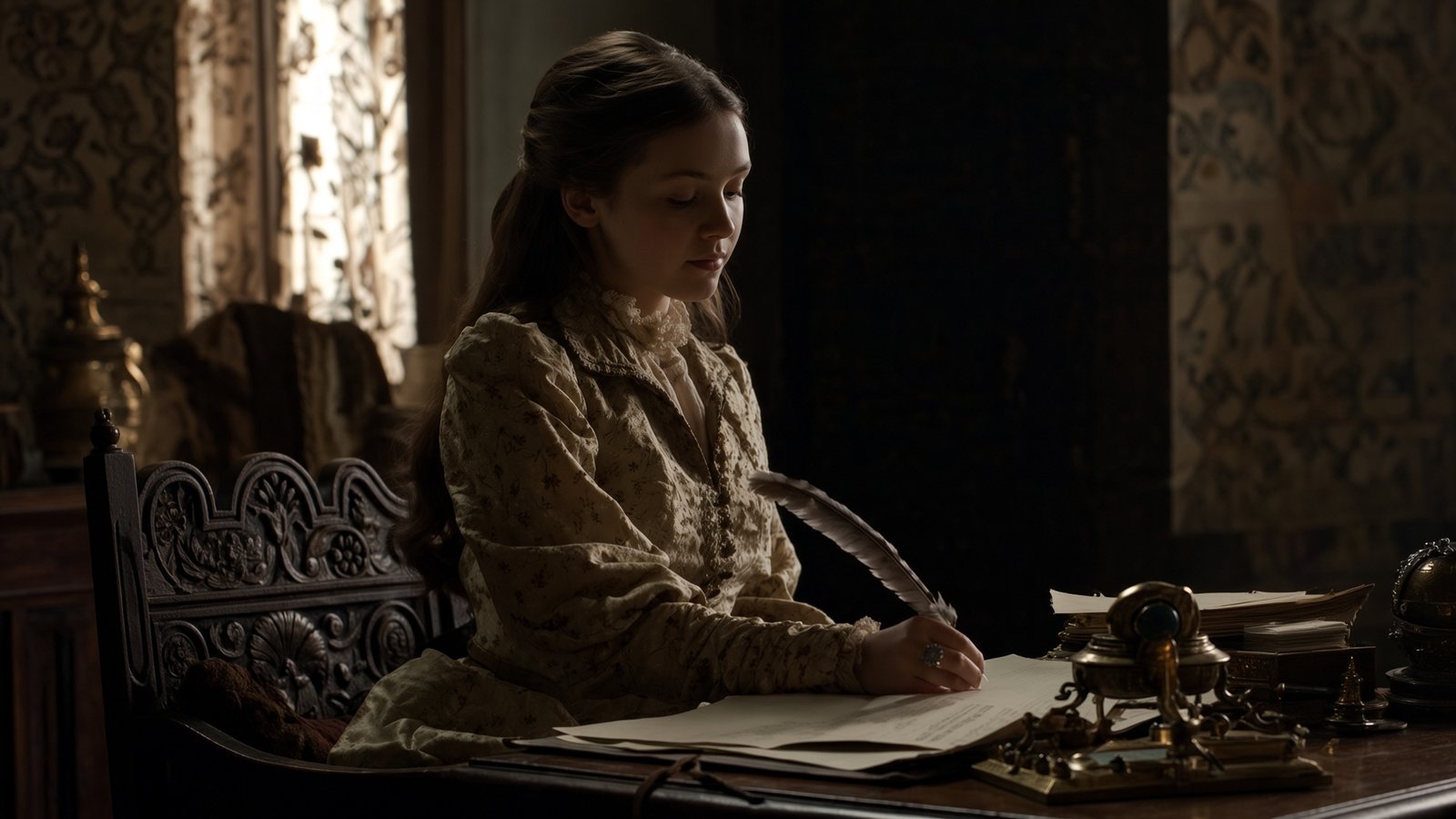
Among these companions, one constant presence was the young Jane Dormer. Jane was one of Mary’s favorite and most devoted maids of honour. Raised in a devoutly Catholic household, Jane had entered royal service during the reign of Edward VI and remained one of Mary’s closest confidantes throughout her queenship. The deep bond of trust between Mary and Jane meant that the young noblewoman was not merely a companion on these walks, but a witness and official recorder of the grievances they encountered.
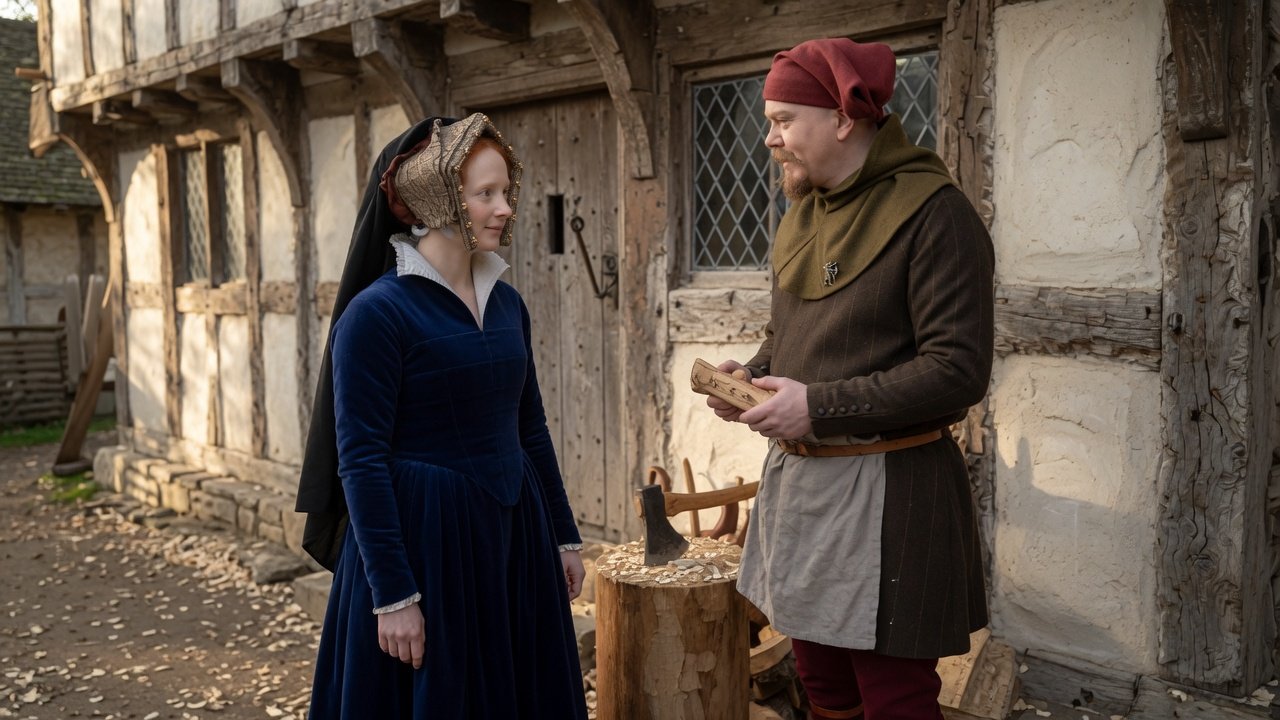
Together, the disguised women walked through the streets of Croydon, knocking on low doorways and stepping into the humble, smoke filled cottages of local labourers, woodcutters, and craftsmen.
The Scene in the Collier’s House

During one of these evening walks, Mary and her ladies entered the cottage of a local collier, a charcoal burner whose grueling work provided the coal that heated the stoves and hearths of London.
The scene inside was typical of working class Tudor life. The collier was sitting at his simple wooden table, eating his evening meal by the light of a single candle after a long, exhausting day of labor. Recognizing the visitors only as gentlewomen or maidens from the royal court, the man invited them inside.
Mary sat down familiarly beside him as he ate and began to ask quiet, probing questions about his life. She asked him how he and his wife managed to live, how they passed their days, and specifically whether the officers of the royal court treated them fairly when pressing their carts and labor for the queen’s provisions.
Unaware that he was speaking directly to his sovereign, the charcoal burner answered with blunt, unvarnished honesty. He revealed that royal purveyors had seized his cart in London to transport royal supplies, but that no payment had ever been made for his services.
When Mary asked if he had gone to the officers to demand his rightful wages, the collier replied bitterly that he had indeed approached the men who set him to work. However, instead of receiving his money, the court officials gave him neither his coins nor a civil word, dismissing his claims with contempt.
Looking steadily at the working man, the queen asked: “Friend, is this true that you tell me?”
The collier swore that it was the absolute truth. Believing he was speaking to a sympathetic lady of the court who might have the ear of someone in authority, the man begged her to speak on his behalf, and on behalf of other poor men in the district, to the royal Comptroller, so that they might finally receive what they were owed.
Mary promised him that she would intercede. Before leaving his cottage, she instructed him to come to the royal court at Cardinal Pole’s manor the very next morning, between nine and ten o’clock, to collect his money.
Reproof at Court: “Every Penny Must Be Paid”
As soon as Mary returned to the manor at Croydon, the gentle court maiden instantly transformed back into the monarch of England. She immediately summoned Sir Robert Rochester (or his deputy), the Comptroller of the Royal Household, to her presence.
In the presence of the ladies who had accompanied her that evening, the queen delivered a reproof so fierce and sharp that the waiting women themselves felt grieved and shaken by the severity of her words.
Mary sharply informed the astonished Comptroller that he was employing corrupt and negligent officers, men who robbed poor labourers of their rightful wages and offered them neither money nor common courtesy. She declared that this injustice must be corrected immediately. She warned the Comptroller in no uncertain terms that if she ever heard of such abuses occurring again within her household, he would feel the full weight of her royal displeasure.
Finally, she informed the bewildered official that the collier and a group of other aggrieved workmen would be arriving at the court gates at nine o’clock the following morning. She commanded that every single penny owed to them for their labor and carts must be paid on the spot, without delay or deduction.
The Comptroller stood astonished, utterly baffled as to how the queen had managed to obtain such precise, detailed information regarding routine purveyance abuses in London and Croydon. Only after the royal audience ended did Mary’s ladies reveal the truth to the amazed official: the queen herself had sat at the collier’s table that evening, listening to his grievances while he ate his supper.
Alms, Apprenticeships, and the Legacy of Charity
The encounter in the charcoal burner’s cottage was not an isolated incident, but part of a consistent pattern of private charity that Mary practiced whenever she stayed in Surrey.
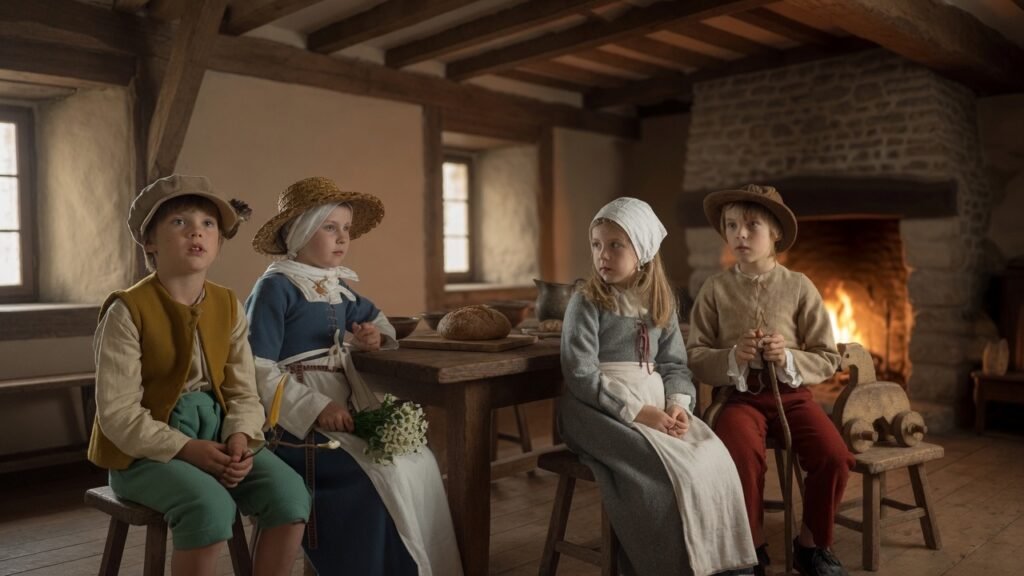
During these cottage visits, if Mary found a poor family struggling under the weight of many young children, she distributed generous alms on the spot. She offered words of personal comfort to the parents, encouraging them to live thriftily, to abide in the fear of God, and to take diligent care in raising their sons and daughters in virtue and faith.
Where the poverty was severe and the children numerous, the queen went a step further, taking personal responsibility for the children’s futures. At her own private expense, she arranged for both boys and girls to be sent to London as apprentices. There, placed with reputable guilds and masters, the children could learn honest trades, such as weaving, tailoring, metalwork, or leatherworking, ensuring that they would grow up capable of earning their own livings and escaping the cycle of rural poverty.
Clifford’s biography records that Mary performed these acts of social welfare in the humble cottage of a poor carpenter, as well as in the home of a struggling widow of a farm laborer (husbandman). For hours at a time, the Queen of England sat among these impoverished families with an easy, unpretentious affability. Because she arrived without royal heralds, guards, or formal vestments, the cottagers remained convinced throughout her visits that they were speaking merely to the queen’s gentlewomen.
Whenever additional complaints regarding official corruption, unpaid debts, or local hardship were brought to her attention during these visits, Mary took careful note. She specifically entrusted the details and the duty of remembrance to her devoted maid, Jane Dormer, ensuring that every case was followed up once they returned to court.
The Two Faces of Mary Tudor
The accounts preserved in The Life of Jane Dormer present a vivid contrast to the popular historical memory of Queen Mary I. In popular culture and traditional Protestant historiography, Mary has long been remembered almost exclusively through the grim epithet “Bloody Mary”, a monarch defined by the Marian persecutions, the burning of over 280 Protestant martyrs at the stake, the loss of Calais, and her unhappy marriage to Philip of Spain.
Yet the primary source written by Henry Clifford, drawing directly on the personal recollections of Jane Dormer herself, reveals a far more complex, multi dimensional figure. It shows a queen who possessed a deep, personal commitment to traditional Christian charity, an acute awareness of the suffering of the poor, and a sharp intolerance for the administrative corruption that plagued Tudor government.
Her actions at Croydon demonstrate an early modern form of direct, hands on social justice. Recognizing that formal petitions rarely made it past the self serving gatekeepers of the royal court, Mary bypassed her own bureaucracy to seek out the truth directly from the mouths of those at the very bottom of the Tudor social hierarchy.
In the quiet of those Surrey evenings, sitting beside a charcoal burner’s candle or arranging trade apprenticeships for a carpenter’s children, Queen Mary I demonstrated a quiet, personal face of majesty: a sovereign who understood that the true test of royal authority lay not merely in grand progressions and public displays, but in ensuring that the poorest working man received every penny he was owed.
Reference
Clifford, Henry. The Life of Jane Dormer, Duchess of Feria. Edited by Rev. Joseph Stevenson. London: Burns and Oates, 1887.
Where to read it: The life of Jane Dormer, Duchess of Feria : Clifford, Henry, fl. 1610 : Free Download, Borrow, and Streaming : Internet Archive