Entry into a Royal Household
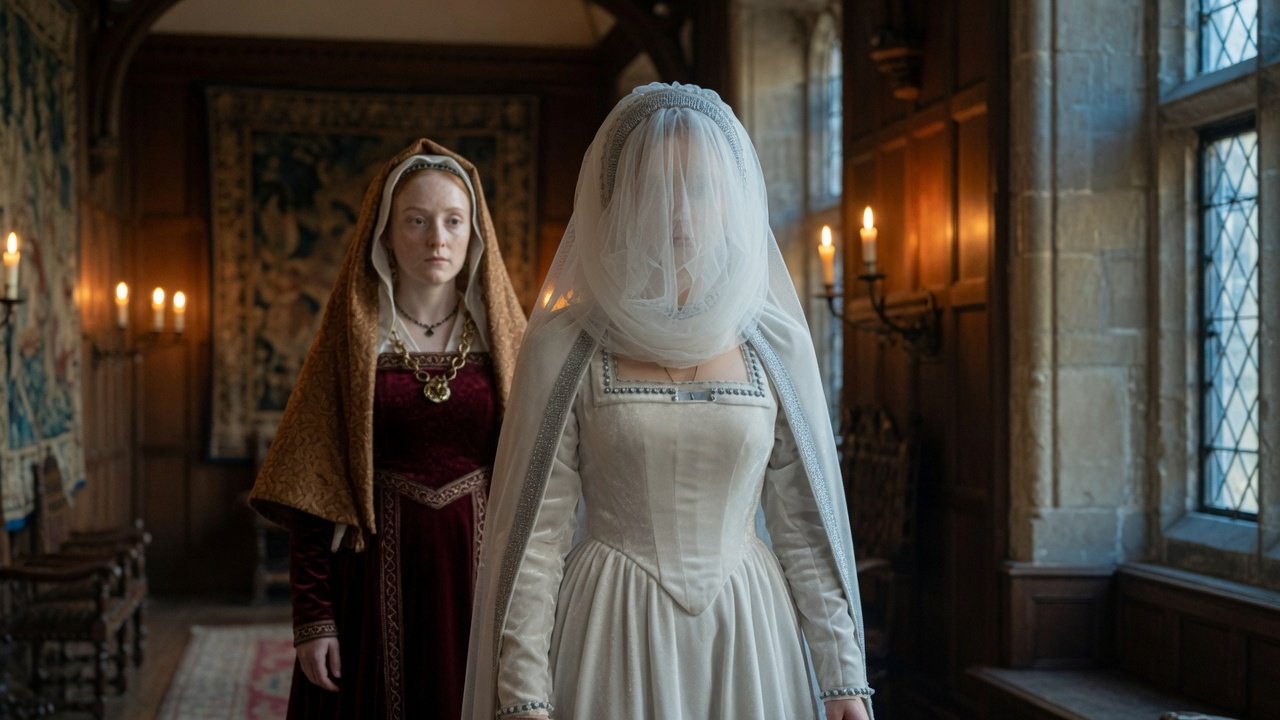
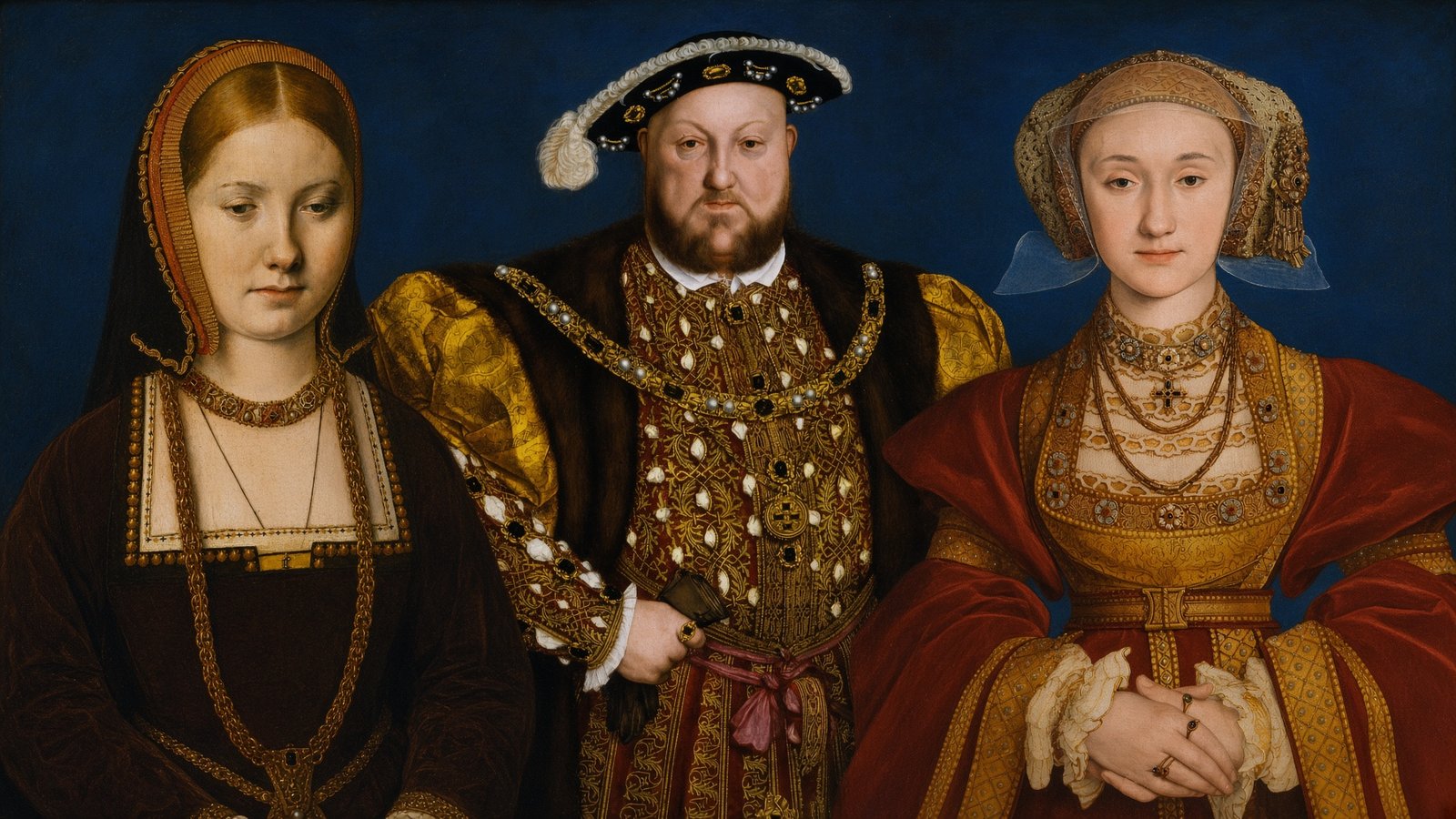
Jane Seymour entered the household of Catherine of Aragon at some point before the final collapse of the queen’s marriage to Henry VIII. The precise date of her appointment is not recorded in surviving documents, yet Elizabeth Norton’s biography establishes that it occurred while Catherine still exercised the full authority and ceremonial status of queen consort, almost certainly during the early phases of the king’s campaign for an annulment. Jane came from a respectable but not exalted gentry family. Her mother, Margery Wentworth, had earlier connections with the queen’s circle through Howard kinship, and additional influence, possibly including that of the well placed courtier Sir Francis Bryan, a distant Seymour relation, helped secure the position. For a young woman of Jane’s background, service in the queen’s household represented a significant advancement. It also placed her in sustained proximity to a woman whose character, piety and endurance would leave a permanent impression.
By the later 1520s Catherine of Aragon was no longer the youthful princess who had married Henry in 1509. She was past forty, her body marked by repeated pregnancies and losses, her political position already under quiet pressure. Yet she retained a composed dignity and a rigorous personal piety that commanded respect among those who served her. Norton draws on contemporary testimony, including the recollections preserved in the Life of Jane Dormer, to show that Catherine rose at midnight for prayer, observed strict fasts on Fridays, Saturdays and the eves of feast days of the Virgin, and maintained a daily regime of devotion that bordered on the austere. To many of her ladies she appeared a mirror of goodness. Jane Seymour, though only a maid of honour and therefore limited in direct personal access, observed her mistress closely. She formed a deep and lasting admiration that would shape her responses to later events at court.
Years of Observation and Loyalty
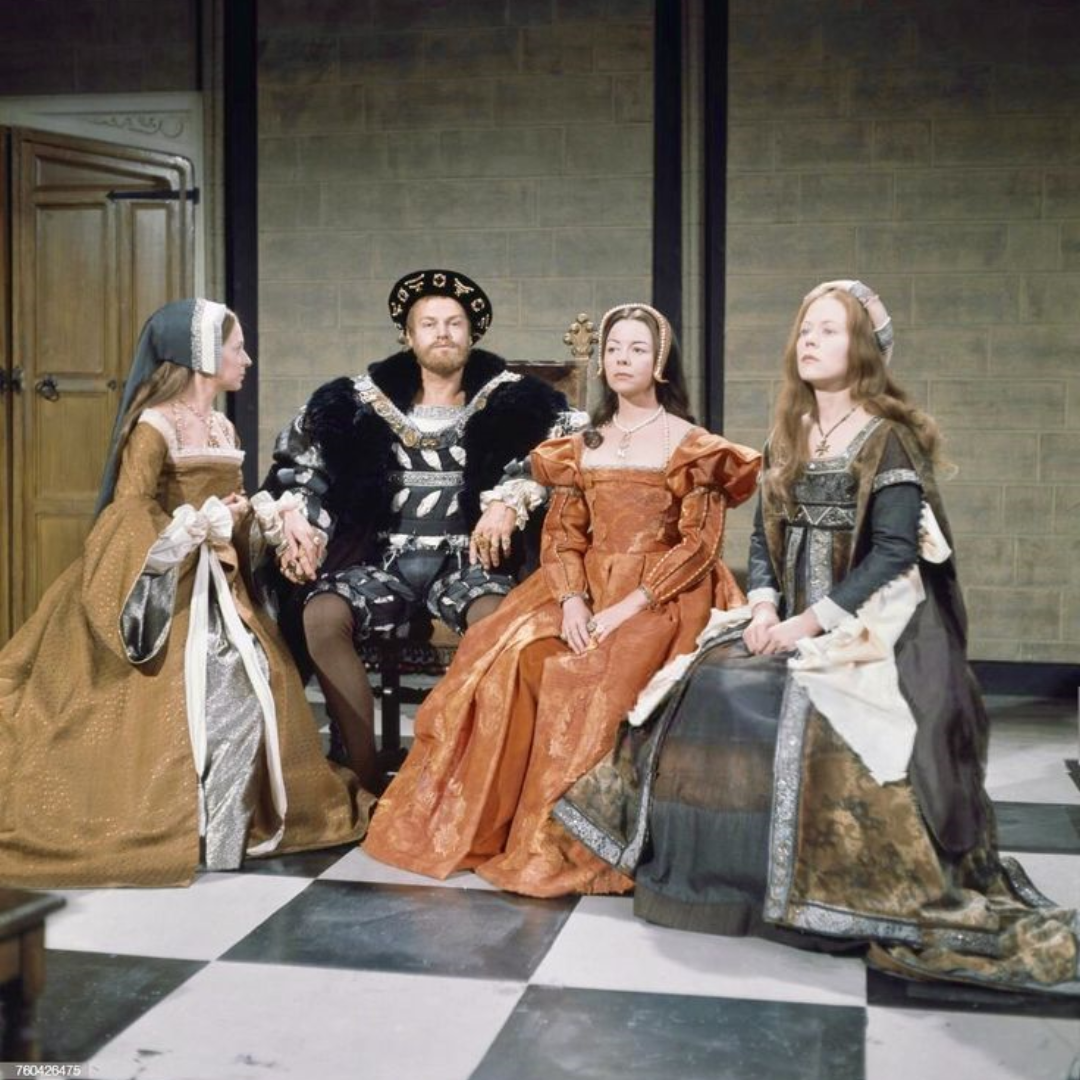
Jane’s service coincided with the most difficult period of Catherine’s life. She witnessed the gradual but unmistakable shift of the king’s attention toward Anne Boleyn and the slow construction of the legal and ecclesiastical case against the marriage. The queen’s household became a place of constrained conversation, anxious speculation and divided allegiances. Some ladies eventually transferred their service to the rising favourite. Jane did not. She remained with Catherine through the public spectacle of the legatine court at Blackfriars in 1529, where the queen made her dramatic appeal by kneeling before Henry and refusing the authority of the tribunal, and through the subsequent years of increasing isolation and reduced status.
When Henry finally broke with Catherine in July 1531, leaving Windsor early one morning in the company of Anne Boleyn and a selected group of courtiers, Jane was among those left behind with the queen and the young Princess Mary. The household was moved first to the More and later to still more remote residences. Official provision was cut, the title of queen was formally withdrawn, and the number of attendants was steadily reduced. Jane stayed. Norton argues that she almost certainly accompanied Catherine into this enforced retirement. Only when the household was stripped to a bare minimum of ten ladies in 1533, on the eve of the final move to Buckden, did Jane’s direct service come to an end. By then she had spent years watching Catherine refuse to surrender either her rights or her sense of herself as Henry’s true wife.
The Formation of Lasting Attitudes
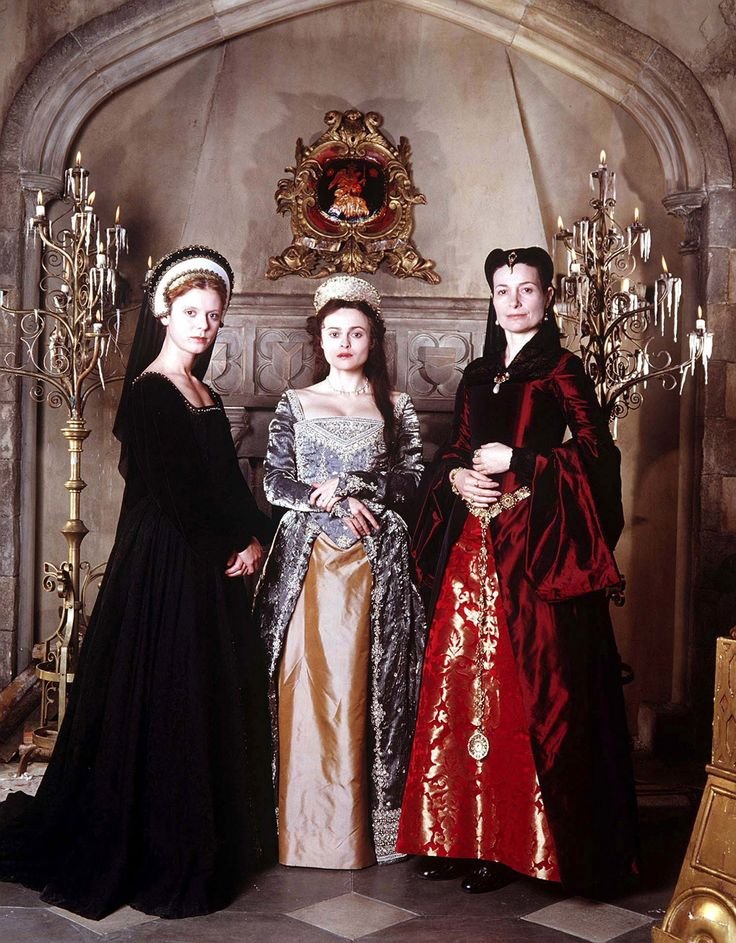
The experience left a clear mark on Jane’s later conduct and sympathies. She developed a durable hostility toward Anne Boleyn that was rooted in what she had seen of Catherine’s treatment. When Jane herself entered Anne’s household in the mid-1530s, the relationship remained strained. Norton records episodes of open friction, including an occasion when Anne tore a locket from Jane’s neck. Jane’s sympathy stayed entirely with the discarded first wife. News of Catherine’s final illness and death in January 1536 affected her deeply. The suffering of her former mistress reinforced her determination in the competition for the king’s favour that was then reaching its crisis.
Jane’s admiration also extended to Catherine’s daughter. She retained affectionate memories of the young Princess Mary from the years they had shared under the same roof. When Jane became queen in 1536 she used her new position to ease Mary’s circumstances, encouraged reconciliation with Henry, and received letters in which Mary addressed her with genuine warmth as a mother. The personal bond formed in Catherine’s household survived the political and religious upheavals of the intervening years and found practical expression once Jane held authority of her own.
Quiet Homage as Queen
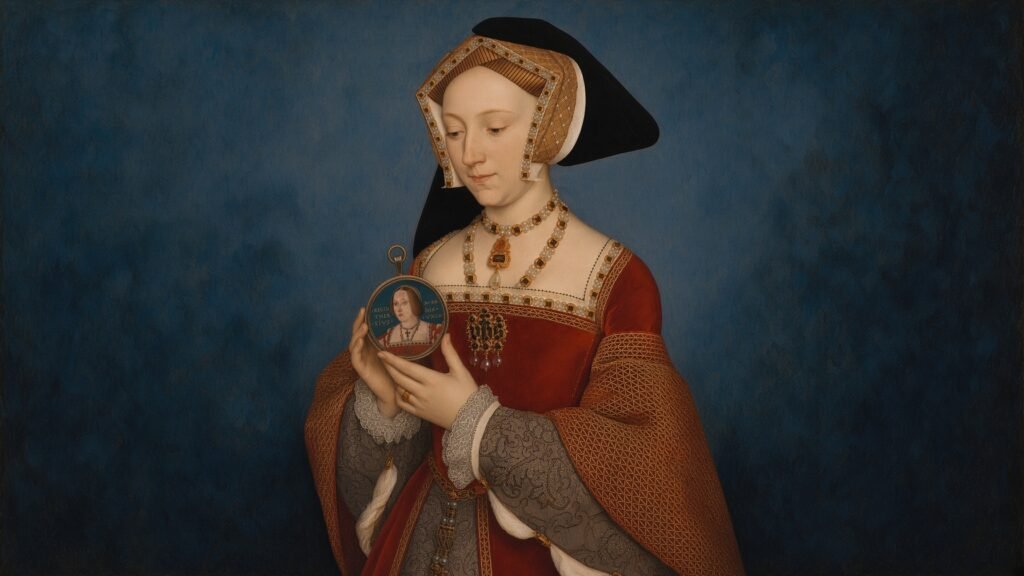
As Henry’s third wife, Jane paid a restrained but consistent form of homage to Catherine’s memory through her own style of queenship. She deliberately presented herself as the opposite of Anne Boleyn: modest in manner, conventional in dress, and careful to avoid public confrontation. Contemporaries noticed the contrast. Where Anne had been quick-tongued, fashionably French in style and openly ambitious, Jane cultivated an image of discretion, humility and traditional English gravity that recalled the virtues she had observed in Catherine. She made fewer political interventions than either of her predecessors in their stronger periods, yet she retained a conservative religious outlook that aligned with the piety of Catherine’s household rather than with the more advanced evangelical currents associated with Anne.
Her approach to charity also reflected earlier example. Catherine had been a notable patron of St Katharine’s Hospital by the Tower of London. Jane took the same institution under her protection and sought to lighten its financial burdens. In the measured management of her own household, in her preference for established forms, and in her visible kindness to Mary, she continued, in a quieter register, values she had first absorbed while serving the Spanish queen. Even her motto, “Bound to Obey and Serve,” can be read as a conscious rejection of the more assertive models of queenship she had watched fail, and as an echo of the patient endurance she had admired in Catherine.
The Depth of the Connection
Jane Seymour’s link with Catherine of Aragon was neither brief nor merely formal. She entered the queen’s service as a young woman of limited independent prospects, remained through years of public humiliation, private anxiety and deliberate reduction of status, and carried the impression of that service into her own short reign. The admiration she felt was genuine and formative. It shaped her enduring dislike of Anne Boleyn, her protective attitude toward Mary, and the deliberately conventional style she adopted once she herself became queen. In the household of Henry’s first wife, Jane learned what steadfastness, piety and queenly dignity could look like under extreme pressure. Those lessons stayed with her until her death in 1537.
Norton’s account leaves little doubt that Catherine of Aragon was the most important female model of Jane’s early adulthood. The years spent watching a discarded queen refuse to yield her identity or her principles supplied Jane with a standard against which she measured both Anne Boleyn and herself. When she finally rose to the consort’s place, she did so as a woman who had already seen the costs of that position and who had formed her own quiet conclusions about how it might be occupied with greater safety and greater consistency of character. The Spanish queen she had served in youth remained, in memory and example, a presence in the English court long after her death.
Reference
Norton, Elizabeth. Jane Seymour: Henry VIII’s True Love.