
Kat Ashley’s Early Role as Protector
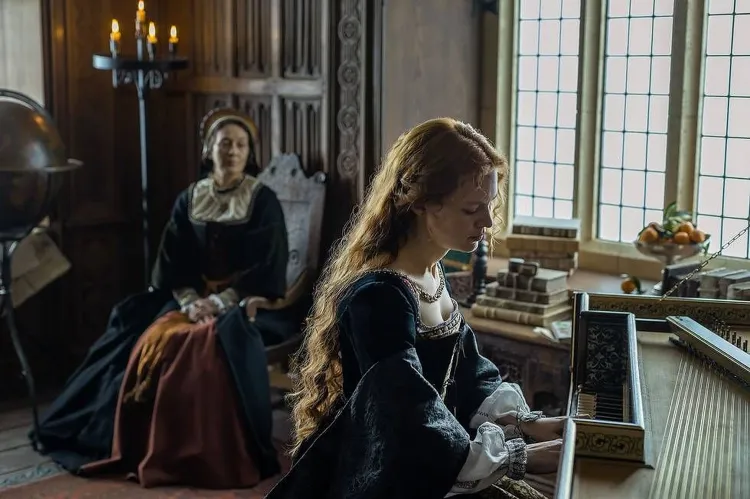
Katherine Ashley, known affectionately to the young Elizabeth as Kat, was far more than a conventional governess. She entered Elizabeth’s household in 1536, when the princess was still a small child, and remained one of the most constant and influential figures in her life for nearly three decades. Kat combined the roles of teacher, companion, confidante and surrogate mother. Elizabeth later acknowledged the depth of this bond, stating that Kat had “taken great labour and pain in bringing me up in learning and honesty.”
During the period when Thomas Seymour was married to the Queen Dowager Katherine Parr, Kat’s primary concern was the protection of Elizabeth’s reputation. Seymour, the younger brother of the late Queen Jane and of the Lord Protector Edward Seymour, was a charismatic, ambitious and physically imposing man in his late thirties. After marrying Katherine Parr in the spring of 1547, he moved into the household at Chelsea where the young princess was living. His behaviour toward Elizabeth quickly became familiar to the point of impropriety.
Seymour made a habit of entering Elizabeth’s bedchamber in the early mornings. On some occasions he came only partially dressed, wearing a short nightgown. He tickled the princess, attempted to kiss her, and engaged in boisterous play that made the adolescent girl uncomfortable. Kat Ashley repeatedly intervened. When Seymour appeared “bare legged,” she told him directly that it was “an unseemly sight to come so bare-legged to a maiden’s chamber.” On another morning, when he tried to kiss Elizabeth while she was still in bed, Kat ordered him to “go away for shame.”
At this stage Kat’s actions were purely defensive. She understood the danger of gossip in a court still unsettled after the death of Henry VIII. Her duty, as she saw it, was to shield her charge from scandal while Seymour remained the husband of Elizabeth’s stepmother. She raised her concerns with Katherine Parr, who initially promised to accompany her husband on future visits to Elizabeth’s rooms. For a time the Queen Dowager appears to have regarded the behaviour as high-spirited rather than genuinely threatening.
The Turning Point: Katherine Parr’s Death
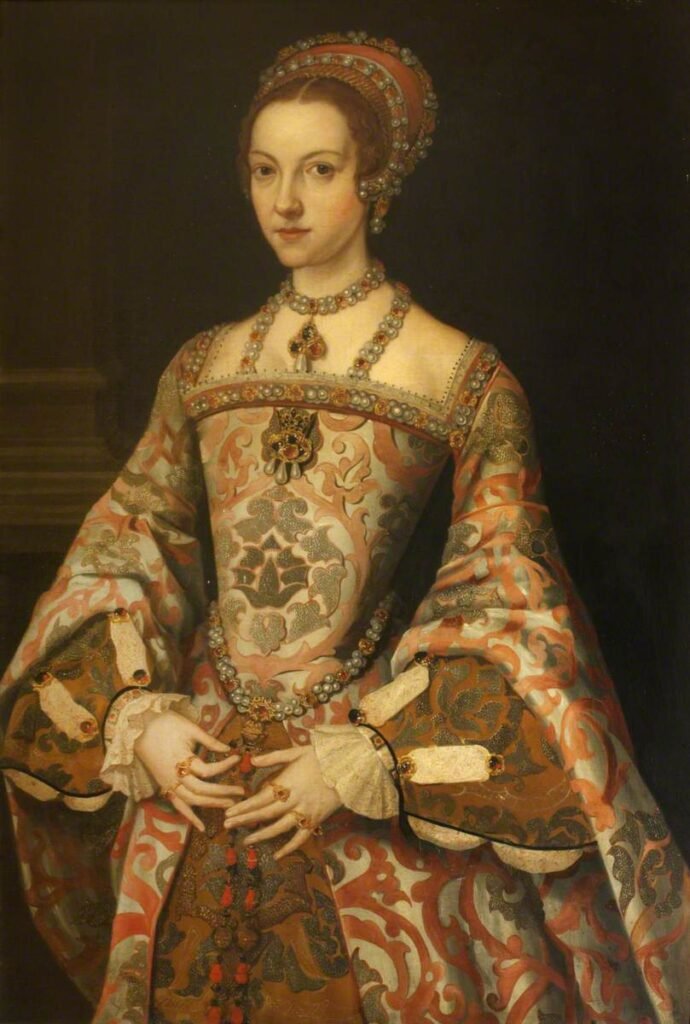
The situation changed irrevocably in September 1548. Katherine Parr died of puerperal fever only days after giving birth to a daughter. Thomas Seymour was suddenly a free man again, and one of the most eligible widowers in the kingdom. Kat Ashley’s attitude underwent a complete transformation. The woman who had previously tried to restrain Seymour now became an active promoter of a marriage between him and Elizabeth.
Anne Somerset notes that Kat had long believed Henry VIII himself had considered bestowing Elizabeth’s hand on Thomas Seymour before his death. Whether or not this belief was accurate, it gave Kat a sense that the match carried a degree of royal precedent. After Katherine Parr’s death, Somerset records, Kat grew “anxious that Seymour’s thoughts should be channelled in the right direction.” She urged Elizabeth to write to the Admiral and to keep herself present in his mind.
Anna Whitelock describes the shift with equal clarity: “Kat Ashley, after her earlier disapproval of Seymour’s behaviour as a married man, now became an enthusiastic supporter of a union between Seymour and her charge.” The governess who had once scolded Seymour for impropriety now saw him as a desirable husband for the princess she had raised.
Open Advocacy and Private Conversations
Kat began to speak of the marriage openly within Elizabeth’s household. She discussed the possibility with the princess herself and with Thomas Parry, Elizabeth’s cofferer. She argued that Seymour was “the noblest man unmarried in this land” and suggested that if the Council could be brought to agree, there was no reason the match should not proceed. When Elizabeth responded with characteristic caution, insisting that she would never marry without proper consent, Kat persisted.
In the confessions later extracted from her in the Tower, Kat admitted the full extent of her hopes. Anne Somerset records that she “had frequently discussed Seymour with Elizabeth, and hath wished them married together.” Anna Whitelock quotes the same confession more fully: Kat had “wished both openly and privately” that Elizabeth and Seymour “were married together.” She later described this advocacy as her “great folly.”
Nicola Tallis confirms that during the interrogations of early 1549, Kate Astley (as she is sometimes called) acknowledged she had spoken often of the marriage and had desired it. The authorities regarded this encouragement as so serious that they judged her “unmeet” to continue overseeing Elizabeth’s education and household.
The Dangerous Atmosphere
Kat’s enthusiasm helped create an atmosphere in which Seymour’s earlier familiarities were reinterpreted as signs of serious intention. Elizabeth, still only fifteen, found herself caught between the governess who had raised her and the political realities of the Protectorate. She consistently maintained that she would never marry without the approval of the Council, yet the conversations taking place around her made the prospect of a Seymour marriage seem less remote than it should have been.
Thomas Parry, drawn into the discussions, carried messages and reported on Seymour’s interest in Elizabeth’s financial situation and London residences. The combination of Kat’s advocacy and Parry’s practical inquiries later looked, to the Council, like coordinated preparation for a match that had never received official sanction.
Arrest, Confession and Aftermath
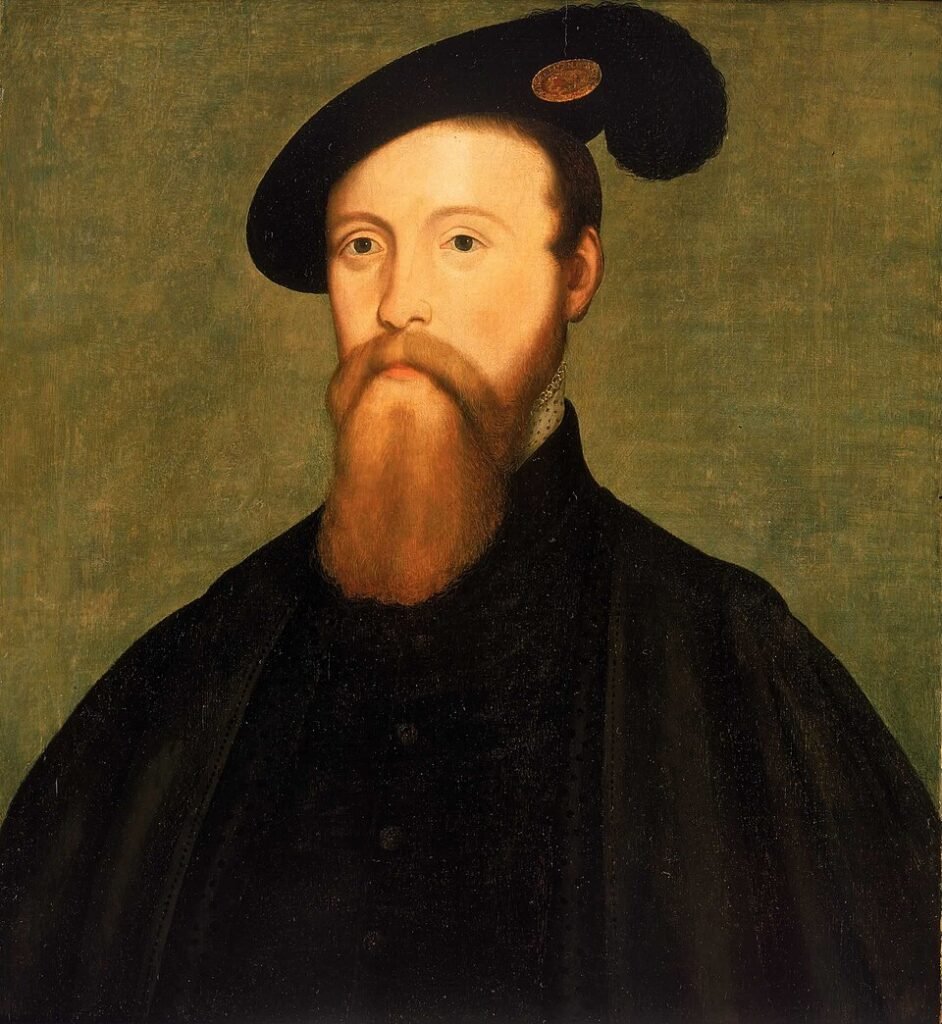
In January 1549 Thomas Seymour’s wider political schemes collapsed. He was arrested on charges that included attempting to gain control of the young King Edward VI and plotting to marry the Princess Elizabeth without permission. Kat Ashley and Thomas Parry were quickly taken into custody and sent to the Tower. Under interrogation, Kat eventually gave a detailed account of the morning visits, the tickling and kissing, and, most damagingly, her own repeated expressions of hope that Elizabeth and Seymour would marry.
Elizabeth was subjected to careful questioning by Sir Robert Tyrwhit. She defended Kat as far as she could, yet she could not entirely erase the impression that her governess had been recklessly indiscreet. Kat was removed from her post for a period, though she was later allowed to return to Elizabeth’s service. The episode left a lasting mark. Elizabeth’s subsequent extreme caution about marriage, and her sensitivity to any suggestion of impropriety, owed something to the lessons of 1548 and 1549.
A Complex Loyalty
Kat Ashley’s conduct cannot be reduced to simple ambition or foolishness. In the first phase she acted as a conscientious guardian, attempting to limit behaviour that could damage her charge while Seymour was still married. In the second phase, genuine affection for Elizabeth combined with a belief that Seymour represented a brilliant match led her to promote a union that was politically explosive. Her misjudgement nearly cost both women dearly.
The story of Kat Ashley and the Seymour scheme reveals the precarious position of those who served the Tudor princesses. Loyalty, affection and poor political judgement could become dangerously entangled. In trying first to protect Elizabeth and later to advance her, Kat Ashley became one of the central figures in the most serious crisis of the future queen’s adolescence.
References
Somerset, Anne. Elizabeth I. Whitelock, Anna. The Queen’s Bed: An Intimate History of Elizabeth’s Court. Tallis, Nicola. Young Elizabeth: Princess, Prisoner, Queen.
Read also: Jane Seymour and the Queen She Served: Admiration for Catherine of Aragon – VERITAS TEMPORIS FILIA